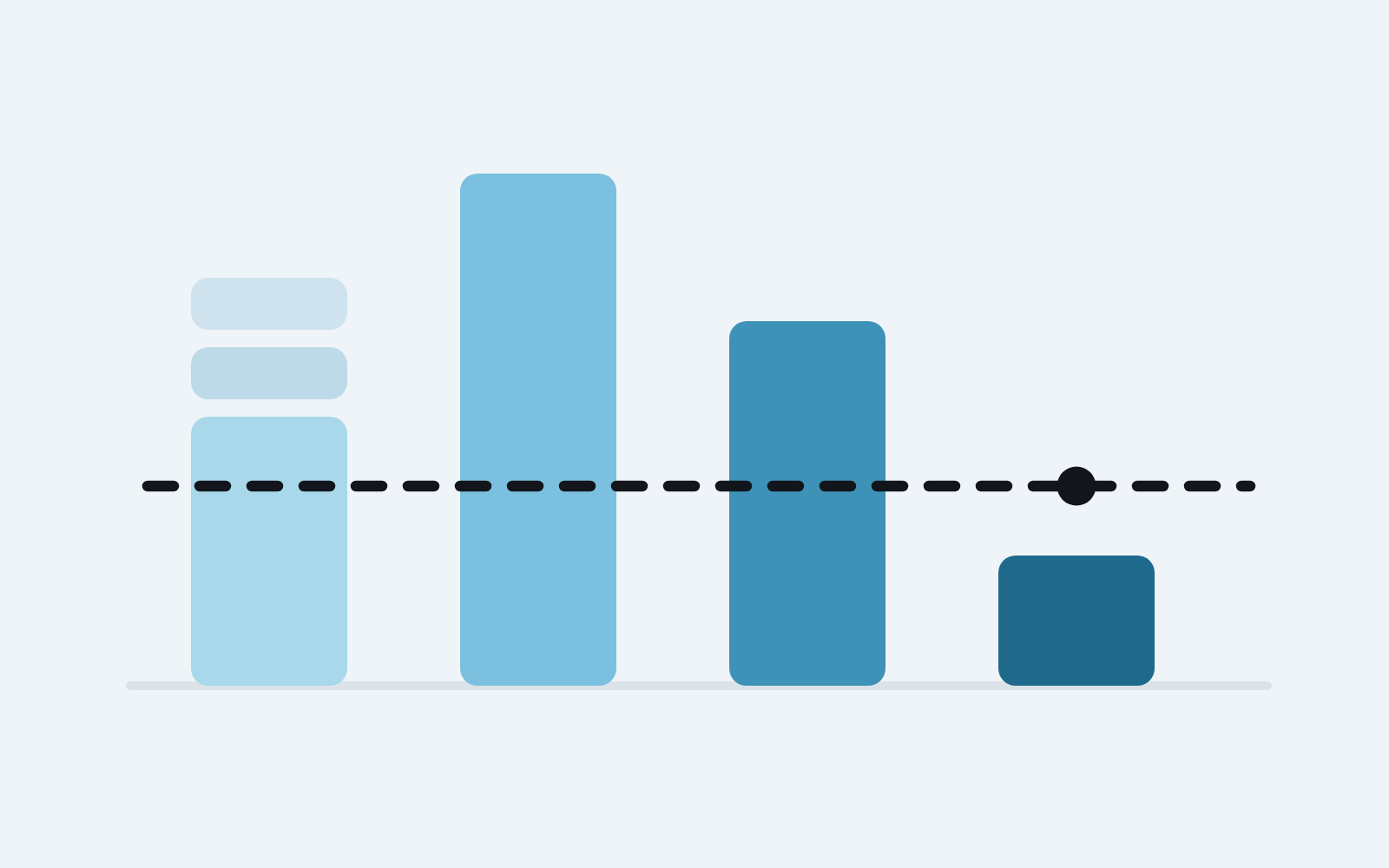
If you are trying to work out what UGC ads cost in Chicago, the honest answer is that the number depends less on the city than on how many you need. Rates here sit close to the national range — this is a big DTC market with plenty of supply — but the thing that actually moves your budget is volume, and almost nobody prices for that properly on the first pass.
Here is what the options actually cost, and where each one stops making sense.
Hiring individual creators
The most common starting point is paying individual creators per video. In a market like Chicago you are typically looking at a low-hundreds figure per video for someone early in their career, rising steeply for creators with a real audience or a specialist niche.
Three things inflate that number in ways people forget to budget for:
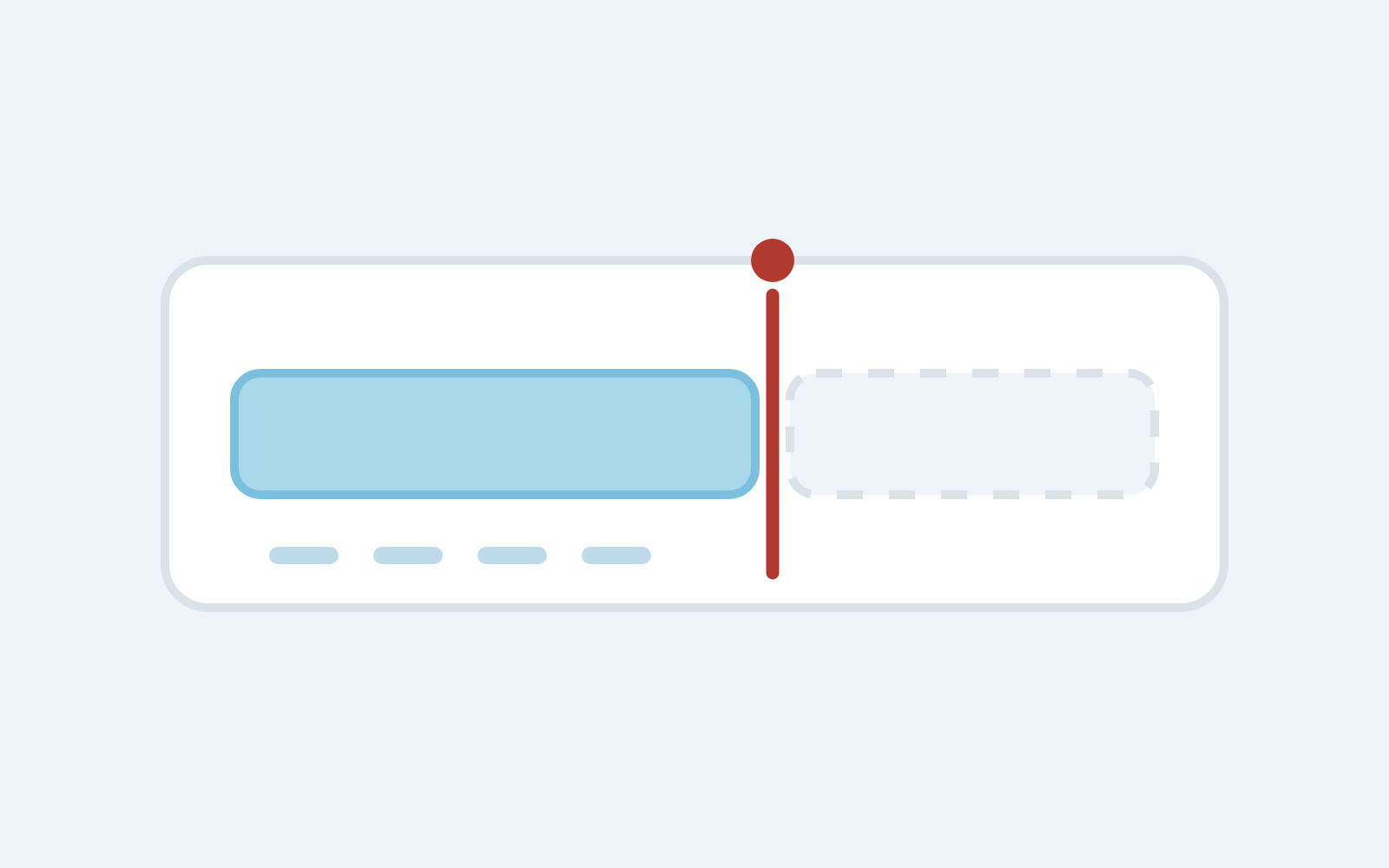
- Usage rights. The base fee usually covers organic posting. Running the video as a paid ad is a separate licence, and it is normally time-boxed — commonly thirty, sixty or ninety days. When the window closes you either re-license or stop running your best performer.
- Product cost. You ship the product, and you do not get it back. On a low-margin item across a dozen creators, that adds up.
- Reshoots. If the hook does not land, or the creator misreads the brief, fixing it is a new negotiation and a new turnaround.
The model works well when you need a handful of videos and a genuine human face attached to your brand. It falls apart at volume, because every additional video is a fresh negotiation, a fresh shipment and a fresh wait.
Chicago video production companies
A traditional production company quotes you a shoot day. You get a crew, a location, professional lighting and, at the end, a small number of finished films of genuinely high quality.
The economics are the problem for paid social. A shoot day is a fixed cost whether it produces three videos or thirty, and the output is polished in a way that frequently reads as an ad — which is exactly what UGC-style creative is trying to avoid. You are also buying a calendar: booking, scheduling, a shoot date, a post window.
For a brand film, a founder story or a hero product video, this is the right spend. For feeding a paid social account that burns through creative every two weeks, it is the wrong shape.
Agency retainers
Agencies bundle strategy, casting, production and editing into a monthly fee. The value is that someone else owns the whole pipeline and you are not project-managing six creators.
What varies wildly is what is actually included. Before comparing two retainer quotes, get specific answers on: how many finished videos per month, how many revisions per video, whether scripts are written for you or by you, whether captions and music are included or billed as extras, and — the one people miss — whether you own the files outright afterwards or license them.
Two retainers at the same headline price can differ by a factor of three once you normalise for those. A cheap retainer that delivers eight videos with one revision each and a usage window is more expensive per usable asset than a higher one delivering thirty you own forever.
AI-produced UGC
This is what we do, so treat the following as interested but specific. Because the performers are generated rather than booked, the cost of an additional video is close to the cost of the first one. That inverts the usual maths: instead of rationing videos, you are budgeting for a monthly volume.
Our plans run $499 a month for twelve videos, $997 for thirty and $1,797 for sixty — which works out between roughly $30 and $42 per finished video, with scripts, captions, licensed music and two revisions included at every tier, and no usage window on anything we deliver.
The tradeoffs are real and worth stating. The performers are not real people and are not your customers, so nothing we produce is a genuine testimonial. Products needing complex physical demonstration do not work well. And if your founder's own face is the differentiator, you need a camera, not us.
The number that actually decides it
Work out how many creative variants you need each month before you compare any prices. Most Chicago brands running meaningful paid social spend get through more than they expect, because creative fatigue is arithmetic rather than taste — the same audience seeing the same hook stops responding to it, regardless of how good the hook was.
If the honest answer is three or four videos a quarter, hire creators individually and keep it simple. If it is twenty or thirty a month, per-video pricing will bankrupt the plan long before the creative stops working, and you want a model where the marginal video is close to free.
That is the whole decision. The city barely enters into it — what UGC ads cost in Chicago is roughly what they cost anywhere with a healthy creator supply. What differs between brands is volume, and volume is the thing worth pricing around.
Common questions
Is UGC cheaper than traditional video production?
Per video, almost always yes — a shoot day carries fixed costs that a single creator or an AI pipeline does not. Per usable ad, it depends entirely on how many variants you need. One excellent brand film can outlast thirty mediocre UGC clips; thirty tested hooks will usually outperform one film on paid social.
Do I need a Chicago-based creator for a Chicago audience?
Rarely. Vertical video reads as a person in a room, and viewers are not geolocating the background. Local matters when the setting is genuinely recognisable or the product is tied to a place — otherwise you are paying a premium for a detail nobody registers.
What should I budget to start testing properly?
Enough for at least eight to twelve variants in your first month, whichever route you take. Fewer than that and you cannot tell a bad hook from a bad audience, which means you learn nothing and conclude the channel does not work.
We produce AI creator ads for eCommerce brands in Chicago — home & lifestyle, food & beverage, apparel & accessories. Ad-ready files in five business days.
See what we do in Chicago →