If you run paid social for a brand headquartered in New York, you have probably already noticed that Facebook ad costs in New York do not behave like the benchmarks you read. Your CPM comes in higher, your test budgets burn faster, and the round of creative that would have taught you something in a cheaper market gets throttled before you have a clear read. That is not a targeting mistake you can fix with a better audience. It is the structure of the market you are advertising into.
The useful response is not to spend more. It is to change where you learn and what you put in front of the most expensive auction in the country.
Why the auction costs more here
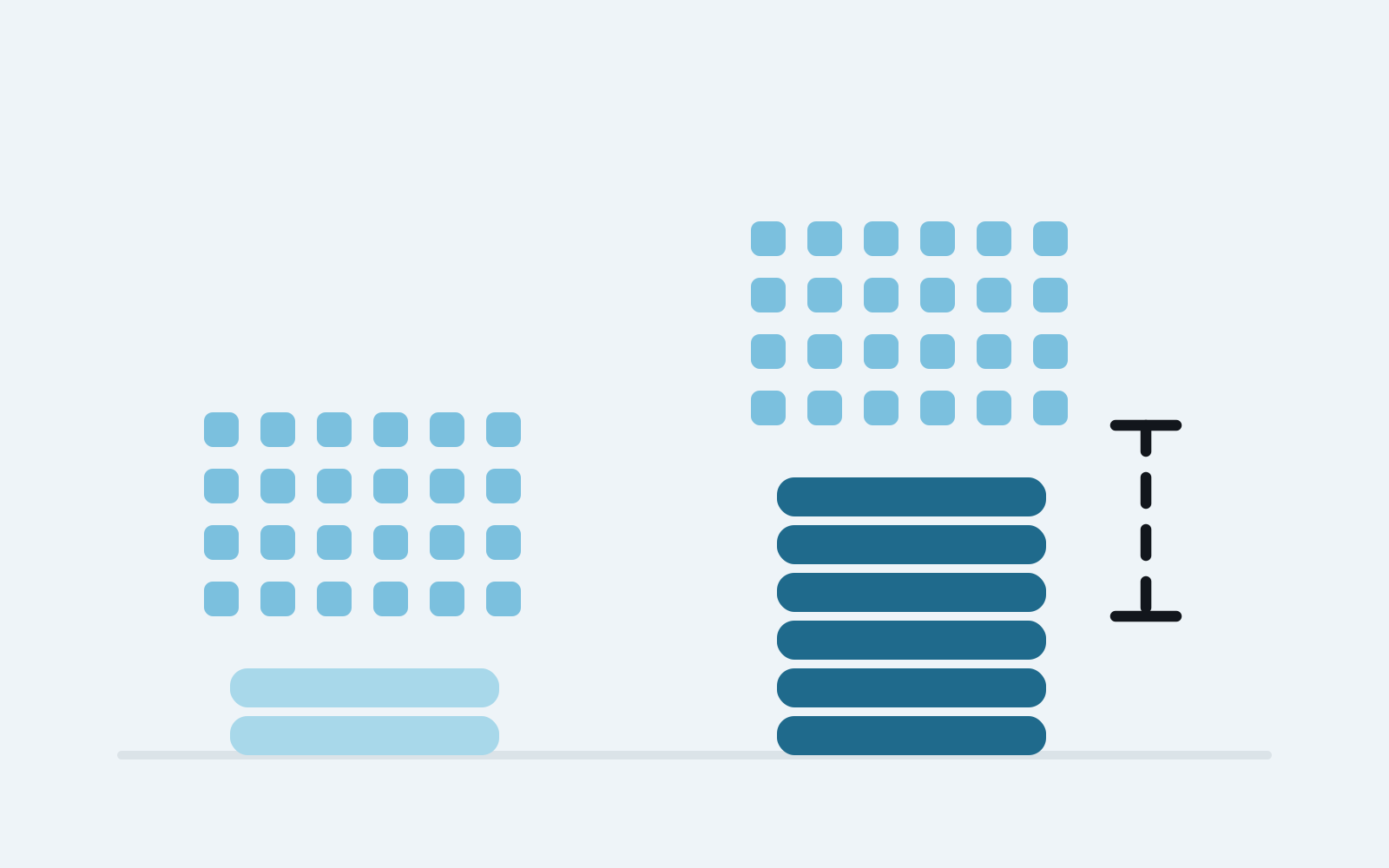
Meta prices impressions by auction, and the price is set by how many advertisers are competing for the same person. New York has the densest concentration of direct-to-consumer brands in the country — beauty, apparel and food companies clustered in Brooklyn and Manhattan, most of them running paid social against overlapping audiences. When that many buyers bid for the same feed, the clearing price goes up. High CPMs in New York are a demand story, not a quality-of-audience story.
There is a second, quieter cost that catches local brands specifically. When you narrow targeting to a city — carving New York out as its own ad set instead of running nationally — you are asking Meta to deliver inside a smaller pool of inventory, and constrained inventory prices higher. So a New York brand that also targets New York geographically can end up paying the premium twice: once for the competitive market, once for the narrow radius. If your product ships nationwide, running a city-only ad set is often a self-inflicted cost rather than a strategy.
What expensive impressions change about creative
Here is the part most guides skip. When impressions are cheap, mediocre creative is survivable — you get enough delivery to read the numbers even on a hook that does not land. When impressions are expensive, a weak first two seconds is not just underperformance, it is a fee. You are paying a premium price to show people something they scroll past.
That inverts the usual instinct. In a high-cost market the temptation is to make one polished flagship video and put the whole budget behind it, on the logic that expensive reach deserves premium production. It is exactly backwards. High Facebook ad costs in New York raise the price of being wrong, which means the priority is knowing which creative is right before you scale spend behind it — and you cannot know that from one video.
The brands that do well in expensive markets are not the ones with the single best ad. They are the ones who arrived at their best ad by testing cheaply and only then spent into the costly auction.
Learn where it is cheap, scale where it is dear
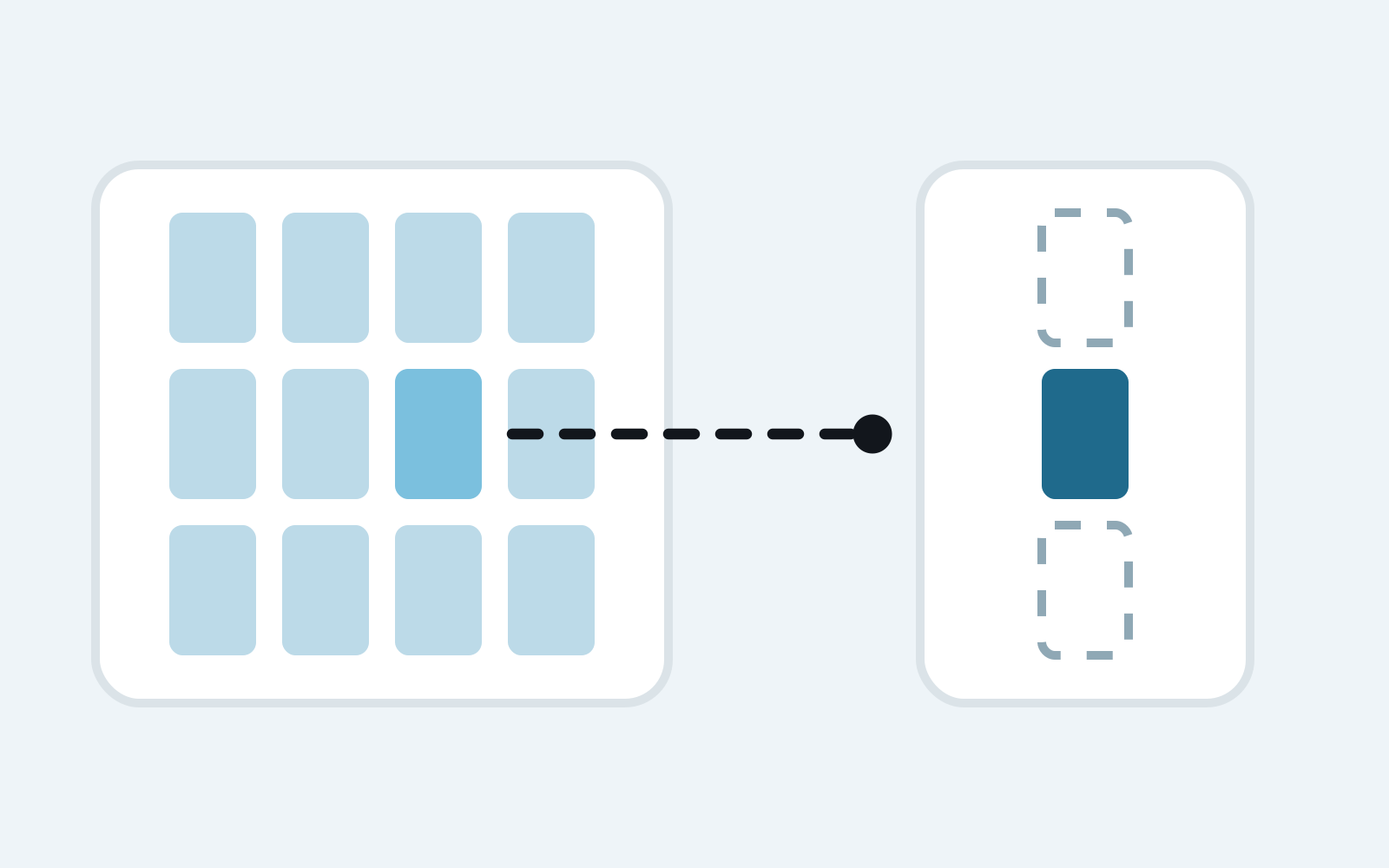
The practical move is to separate the two jobs your ad budget is doing. One job is learning — finding out which hook, angle and offer actually stops the scroll. The other is scaling — putting money behind the thing that already won. These do not have to happen in the same auction.
Broad, national targeting is where learning is cheap. Give Meta a wide audience and it has the flexibility to find the people most likely to respond, which keeps your CPM down while you are still figuring out what works. Run your eight or twelve genuinely different opening angles there, at a small budget, and read them honestly. Only once one wins clearly do you decide whether the New York-specific auction is worth entering at all — and if it is, you enter it with a proven asset rather than a guess.
The most expensive place to discover your hook does not work is the most expensive market. Discover it somewhere cheaper.
This is also the honest limit of what a lower CPM buys you. Cheaper impressions in a thinner market are only worth it if the audience there converts. Plenty of New York brands find their customers genuinely are in high-cost metros, with the order values to justify the CPM. The point is not to flee the expensive market — it is to stop using it as your testing ground.
Why this makes volume the lever, not the budget
Once you accept that you need to test your way to a winner before spending into a dear auction, the constraint stops being your media budget and becomes your creative supply. You cannot run eight distinct angles a month, refresh before fatigue, and keep a proven winner in rotation if every new video is a fresh shoot, a fresh creator negotiation and a two-week wait.
Creative fatigue makes this sharper in New York than almost anywhere. The same audience seeing the same hook stops responding to it, and in a market where you are already paying top prices for the impression, a fatigued ad is expensive dead weight. You have to refresh, and refreshing means having more creative ready than you would need in a slower market.
That is the real reason volume matters here, and it is worth being plain about the tradeoff rather than dressing it up. Per-video creator pricing gets uncomfortable quickly when the market is forcing you to produce more, not less. This is the gap our own model is built to close: because the performers in our ads are generated rather than booked, the cost of the next video is close to the cost of the first, so producing twelve or thirty a month is a flat line rather than a rising one. Our plans run $499 a month for twelve videos, $997 for thirty and $1,797 for sixty, with scripts, captions, licensed music and two revisions included, and you own every file outright.
The tradeoffs are real and cut against us where they should. The performers are not real people and are not your customers, so nothing we make is a genuine testimonial — if a recognisable founder's face is your differentiator, you need a camera. And volume only helps if the angles are actually different; thirty edits of one idea fatigue as one idea. What the model does is remove the supply ceiling, so the thing deciding your results is the quality of your testing rather than how many videos you could afford to commission.
Putting it together
If you are a New York brand staring at a CPM you cannot lower, the sequence that works is roughly this. Test broad and national first, at small budget, with enough distinct angles to learn something real. Read hook rate before you read cost per acquisition — early CPA on a small budget is noise, and expensive noise here. Take only the clear winner into any city-targeted or high-intent spend. Refresh creative before performance drops rather than after, because in this market waiting for the decline means paying for it. And keep your creative pipeline wide enough that doing all of that is a routine, not a scramble.
The city genuinely matters to this decision, which is not something we say lightly. In a cheap market you can be sloppier and still learn. New York does not give you that room — the price of every impression means the discipline of testing before you scale is not a nicety, it is the difference between the market working for you and quietly billing you for your mistakes.
Common questions
Why are my Facebook CPMs so high in New York?
Mostly auction competition. New York has one of the densest concentrations of direct-to-consumer advertisers in the country, and they are bidding for overlapping audiences, which raises the clearing price. If you have also narrowed targeting to the city itself, part of the cost is the small-inventory premium on top of the market premium.
Should I target New York specifically or run nationally?
If your product ships nationwide, national targeting is usually cheaper to learn on and gives Meta more room to find responders. Carve out New York as its own ad set only when the volume genuinely justifies the added cost — otherwise you are paying the city premium without a matching gain in efficiency.
Does higher production value help in an expensive market?
Only after you know the angle works. Polishing a hook nobody watches is expensive everywhere and doubly so here. Test cheaply to find the winner first; then it is worth spending on production quality for that specific angle, not before.
We produce AI creator ads for eCommerce brands in New York — skincare & beauty, apparel & accessories, food & beverage. Ad-ready files in five business days.
See what we do in New York →